Summiting Mt. Orizaba:
A Candid Q&A on Endurance at Altitude
Sometimes the best adventures come from a simple, impulsive yes. Last month, club members Nafiseh and Roham took on Mexico’s highest peak—Pico de Orizaba. Below is post-climb debrief, in a Q&A format with Nafiseh while the experience was still fresh.
How was the experience?
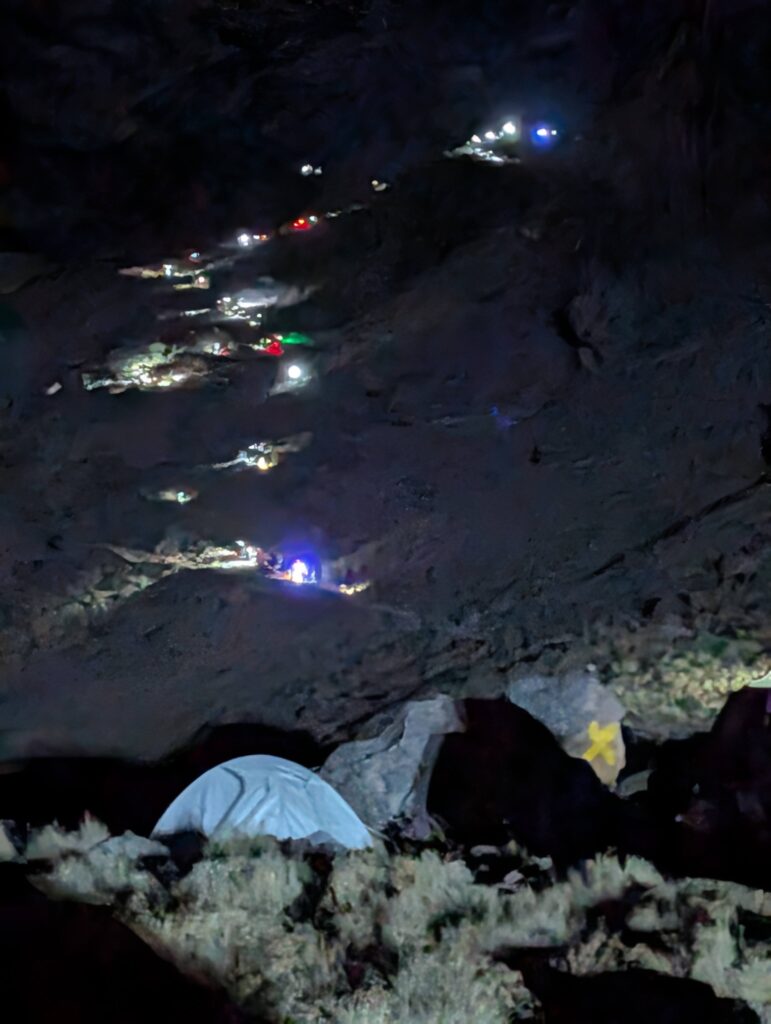
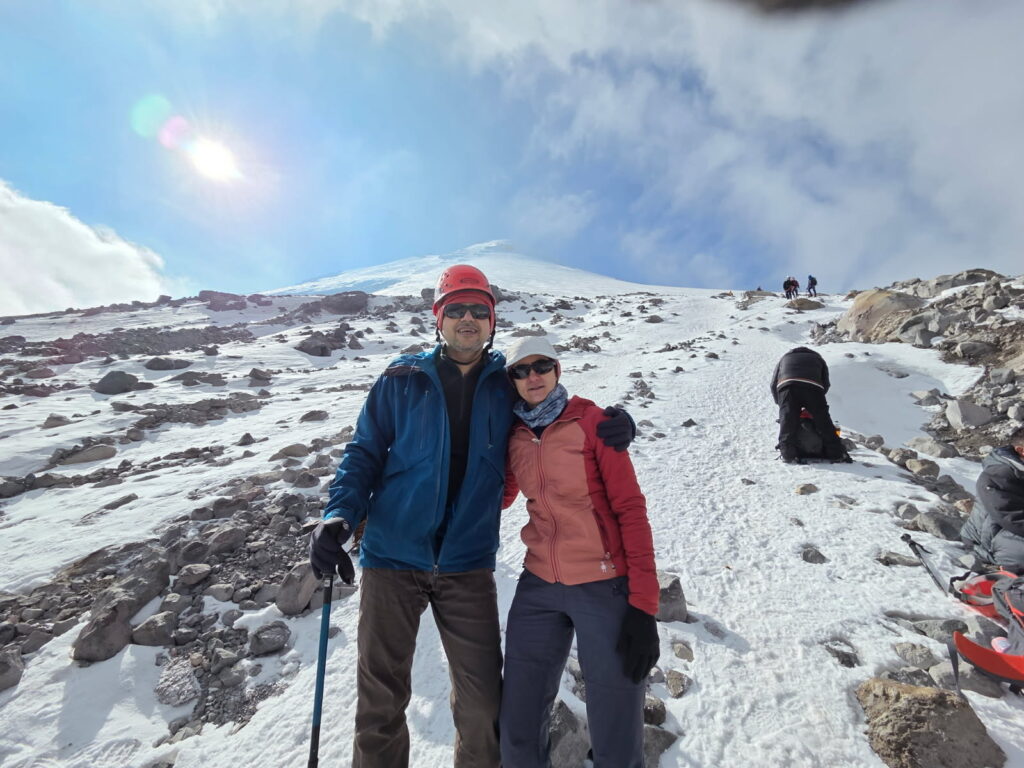
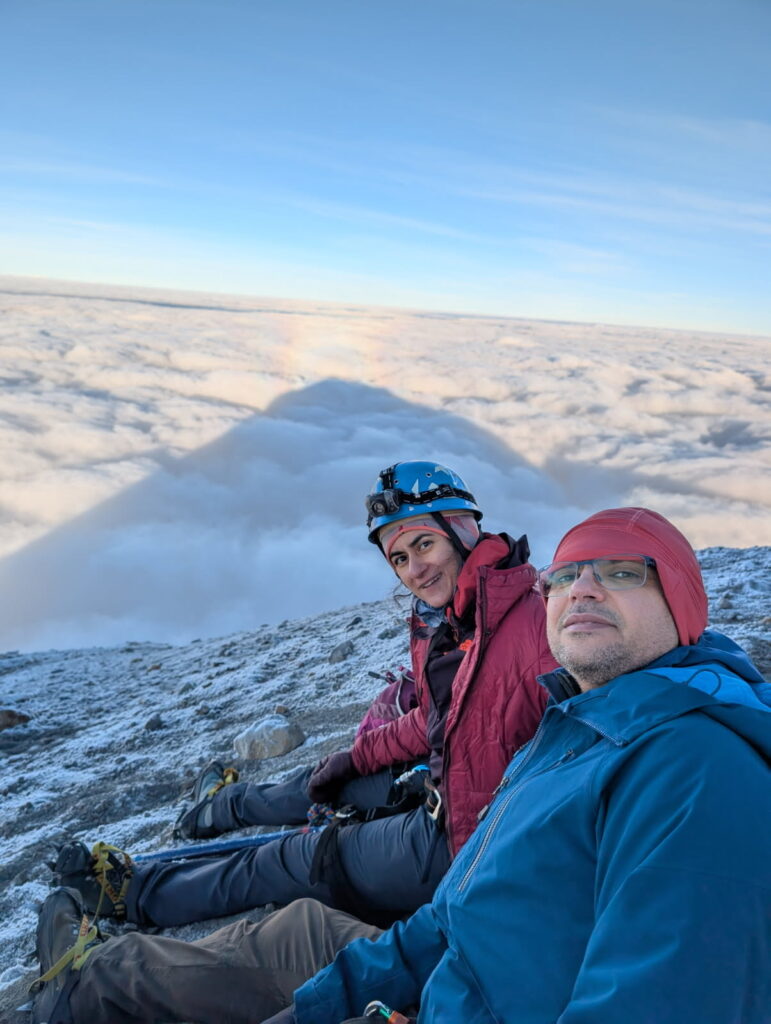
Pretty intense. We summited Pico de Orizaba on the morning of Sunday, December 14, pushing hard through elevation and exhaustion. The final stretch involved a steep glacier climb from roughly 5,000 m above sea level to the peak.
Was it hard to breathe while climbing at such high altitude?
Absolutely. Any sudden change in rhythm sent my heart rate skyrocketing, and I’d be out of breath for a while afterward. Elevation adjustments were constant and demanding.
Did you do any hikes in the days leading up to the summit push:
Yes, two hikes in the two days prior. On Friday we hiked from a village called Miguel Hidalgo y Costilla (~3,400m above sea level) to Piedra Grande Hut. We gained 875m over this 14km hike. This was a 5.5-hour prep hike to test our response to high altitude. I certainly felt it from the get-go and had to immediately pace myself.
On Saturday (day before) we did a short ~ 1hr shake-out hike from the hut up on the North route approach to the summit. This was 200m of elevation gain over 1.5 km. We discussed pacing with the guide and practiced putting on crampons. This proved helpful during the ascent when we had to wear crampons in the dark at 4:30 am!
Did you sleep at altitude?
Yes, we stayed the night before the hike in a tent at “base camp” at ~ 4,200 m. But, sleep was almost nonexistent. I tossed and turned in my sleeping bag from 6pm to midnight and then we began the summit push at 1:00 a.m. I’m somewhat used to sleepless nights before races so I wasn’t too concerned.
How did this compare to other high-altitude climbs?
I climbed Mt. Damavand (~5,600 m) about seven years ago, but Orizaba felt tougher because of the steep glacier. About 80% of the ascent was done in the dark—intentionally. Once the sun came up and I saw how steep it really was, I had a brief panic moment.

Did you feel well fuelled and hydrated on the way up?
Not really. We didn’t get many long rest stops, and hydration suffered. We were dehydrated and exhausted at the summit and then rushed down to avoid spending too much time at high altitude.
What was the descent like?
Challenging. I usually try to save energy for the way down, but this time I felt unusually drained at the top, which made the glacier descent feel intimidating. Reaching the crampon point helped—food and water brought energy back.
Were you cold?
I wasn’t, but Roham really struggled with cold feet, which affected him both physically and mentally. I checked all my gear and clothing in cold temperatures to make sure they were appropriate. One adjustment I need to make is to find a lighter fleece layer for the earlier parts of a hike. I overheated in the first hour which is as bad as feeling cold. I had to stop and change clothing feeling dizzy and disoriented.
How did you fuel during the climb?
Very similar to long-distance running:
- 6 energy gels
- 2 energy bars
- Nuts and a small PB&J sandwich
Despite that, I was still in a calorie deficit due to limited rest stops and some stomach issues.
Any hydration lessons?
Yes—hydration systems matter! My bladder hose froze completely, and my bottle froze too. I didn’t pee the entire hike and drank a lot of water after the hike which says a lot about my degree of dehydration. Insulated bottles or thermos-style systems will be used next time.
How long did you stay at the summit?
Not long. The longer you stay at altitude, the higher the risk of injury during descent. There were several broken ankles reported on the mountain that same day. In our group, every one of us slipped on the rocks at least once in the first 200m after taking off our crampons – heavy tired legs require extra focus!
How did your body feel afterward?
Surprisingly okay. We even did a long walk in Mexico City the next day. However, Pico de Orizaba was absolutely more tiring than any race I’ve done. While strolling around I was still extremely thirsty, and my shoulders were sore from carrying a heavy backpack during the climb.
Biggest takeaway?
This climb showed me how far I can push past that feeling of “one more step and I’ll collapse.” It also reinforced how important acclimatization, hydration strategy, and gear choices really are.
What’s next?
Cotopaxi has been mentioned—but as Roham put it: “Not recovered enough to talk about it yet.” 😄
Key Takeaways for Endurance Athletes
High-altitude climbing shares more with endurance sport than you might think.
Here are a few lessons that translate directly to long races, epic training days, and adventure goals:
- Pacing matters more than fitness
Even strong endurance athletes can get punished at altitude if rhythm changes too quickly. - Acclimatization can’t be rushed
You can’t fake altitude adaptation from lower elevations—time at elevation matters - Fuel like an ultra, not a workout
Gels, bars, and steady intake are essential—but rest stops matter just as much as calories. - Hydration systems must match conditions
Frozen hoses and bottles are more than inconvenient—they can end your day early. - Save energy for the back half
Just like racing, the descent (or final miles) is where fatigue, injury risk, and mistakes happen. - Mental resilience is a trainable skill
Self-talk, patience, and staying present matter when the body says it’s done—but the task isn’t.
Thanks so much for sharing your experience Nafiseh and Roham! We look forward to seeing what epic challenge you take on next! ~Coach Mary